

Your Partner Snores. You Can't Sleep. Here's How White Noise Sleep Music Changes Everything
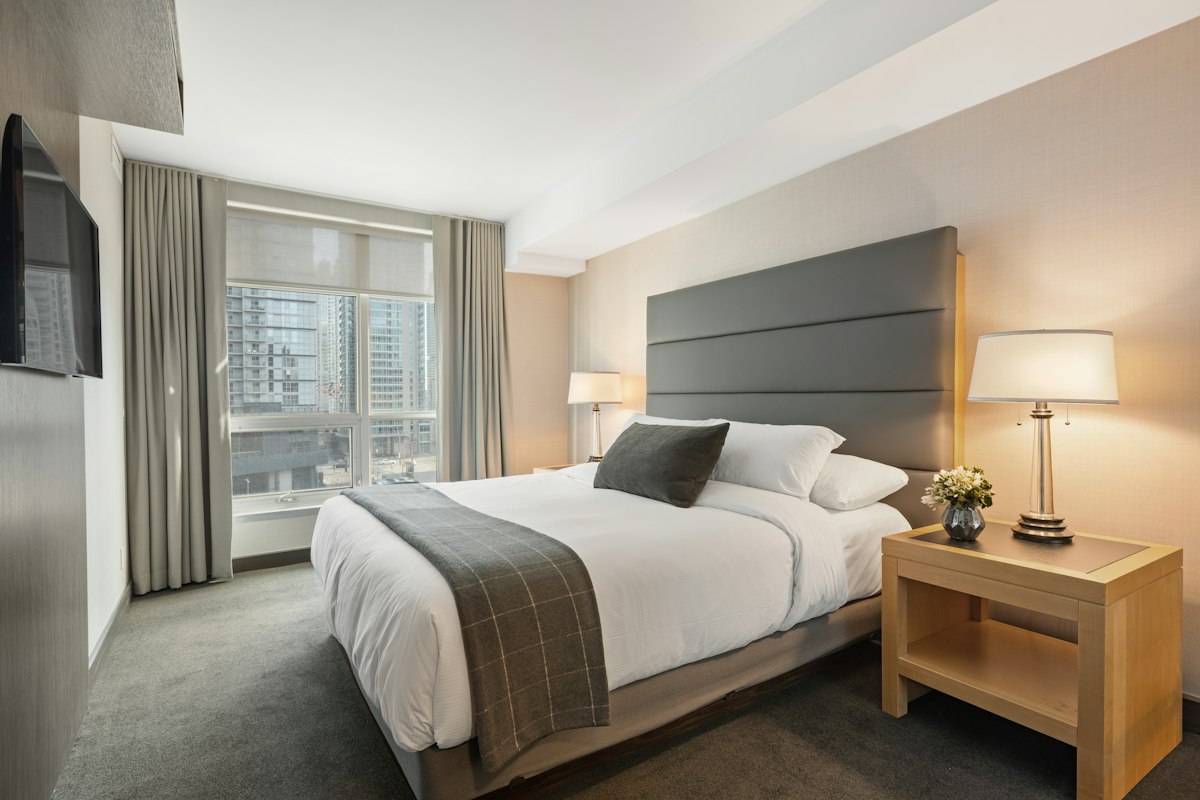
You love your partner. You do not love the sound they make at 1am. Snoring affects an estimated 45% of adults and is one of the leading causes of sleep disruption for the non-snoring partner — leading to separate bedrooms, resentment, and chronic sleep deprivation. Before you banish them to the sofa, consider what white noise sleep music can do for your nights.
The Problem: Snoring Hijacks Your Auditory Attention
Your brain is wired to respond to irregular, unpredictable sounds — especially ones that vary in volume and rhythm, like snoring. Even when you're asleep, your auditory cortex continues monitoring the environment. Snoring triggers micro-arousals: brief moments of wakefulness that fragment your sleep without you fully realising it, leaving you exhausted despite technically being in bed for eight hours.
Why Earplugs Aren't Enough
Earplugs reduce volume but don't eliminate snoring sounds, and many people find them uncomfortable for a full night's wear. They also block sounds you might want to hear — a child, an alarm, or an emergency. White noise offers a smarter solution.
The Solution: White Noise Sleep Music as an Auditory Mask
White noise works by raising the ambient sound floor of your environment. When the difference in volume between background noise and the disruptive sound (snoring) is reduced, your brain is less likely to register the snoring as a threat and trigger an arousal response. White noise sleep music — which blends white or pink noise with gentle musical elements — is even more effective, as the musical component adds a soothing quality that pure white noise lacks.
Pink Noise vs White Noise for Sleep
Pink noise (which emphasises lower frequencies) has been shown in studies to enhance slow-wave sleep and improve memory consolidation. For snoring masking, pink noise sleep music is often preferable as it's less harsh on the ears over a full night.
Setting Up Your White Noise Sleep System
- Use a pillow speaker so only you hear the masking sound — not your partner
- Set volume just above the level of the snoring (not so loud it becomes its own disturbance)
- Choose pink or brown noise blended with soft ambient music
- Run it on a loop throughout the night rather than on a timer
- Give it 3–5 nights to adjust — your brain needs time to form the new association
The Nurexa Solution for Shared Bedrooms
A pillow speaker is uniquely suited to the snoring problem: it delivers white noise sleep music directly to your ears without disturbing your partner, meaning you both get a better night — without anyone moving to the spare room.


